
How HR Can Address the Rising Sick Leave in the UK
Understanding the Crisis
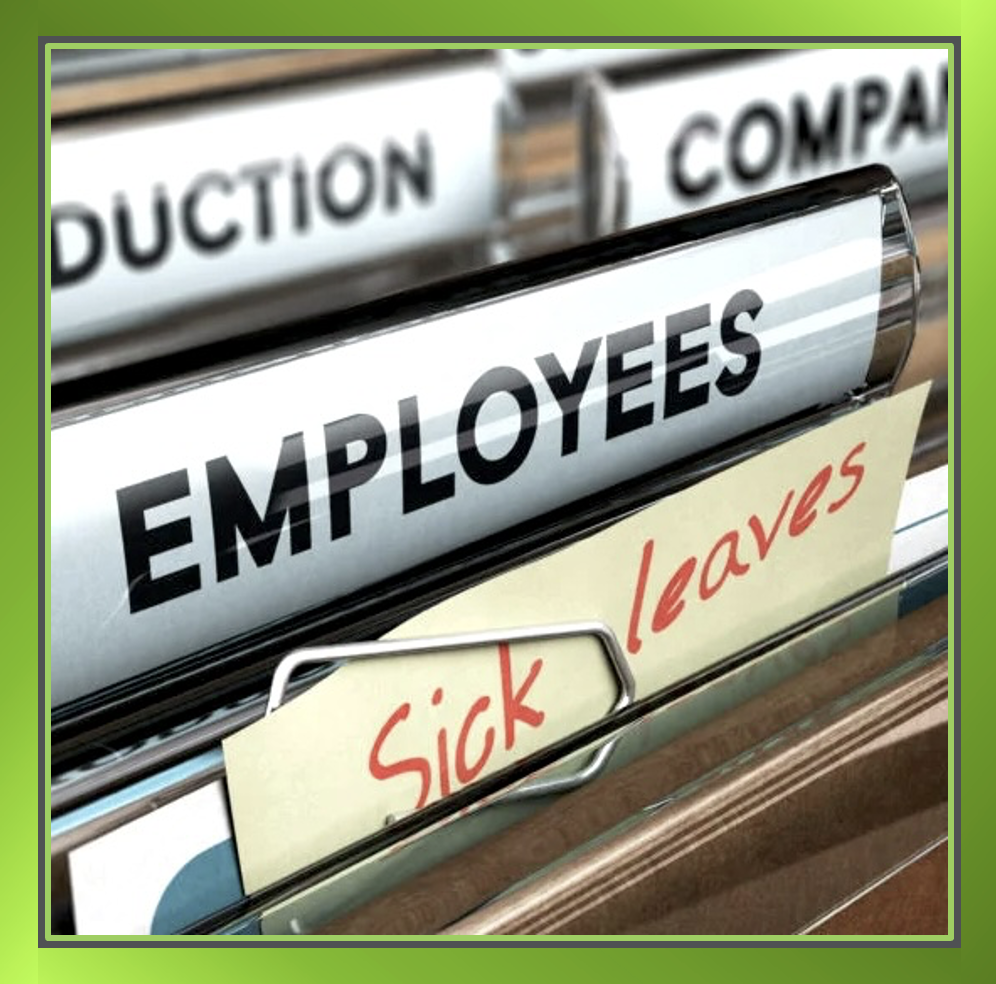
A visual reminder of the rising issue of sick leave in UK workplaces.
Sickness absence in the UK has surged to its highest levels in over a decade, putting HR teams under immense pressure to support both employees and organisational performance. Mental health issues have become a leading cause of this increase, with the Keep Britain Working Review highlighting a “quiet but urgent crisis” that demands action from employers, government, and health services.
Key Findings from the Keep Britain Working Review
The review reveals that ill health is a major contributor to economic inactivity, with mental health conditions accounting for nearly 10% of sickness absence in 2024. Alarmingly, over 20% of working-age individuals are neither employed nor seeking work, with 2.8 million unable to work due to health issues. The number of young adults 16-34 years old affected by mental health conditions and not working or on long-term sick leave has increased by 76% from 2019 to 2024.
Underlying Causes of Mental Health-Related Absence
The rise in mental health-related absences is linked to workplace demands and broader social pressures. Increased performance pressure, the cost-of-living crisis, and lack of hybrid work options are significant contributors. The review emphasises that mental health is often seen as a personal issue rather than a workplace responsibility, leaving managers unprepared to provide support.
Impact on Individuals, Employers, and Society
The consequences of rising sickness absence are profound. Mental health issues have a more significant impact on work absence than physical health problems. Individuals leaving the workforce face financial, professional, and social challenges, while employers deal with high turnover and recruitment costs. The economy loses billions in productivity, with ill health costing the UK £212 billion annually.
Practical Recommendations for HR Professionals
The review calls for a shift from relying solely on the NHS to a proactive role for employers in prevention. HR professionals should focus on early, open discussions about health and disability needs during recruitment and onboarding. Providing comprehensive support can help employees remain in or return to work effectively, benefiting both individuals and organisations.