2026 Workplace Trends: What to Expect and What to Leave Behind
In 2025, trends like ‘quittok’ and ‘job hopping’ were all the rage on social media, sparking discussions about work-life balance and job satisfaction. As we move into 2026, experts from Furniture At Work highlight the trends that should be left in the past and those to watch for the future.
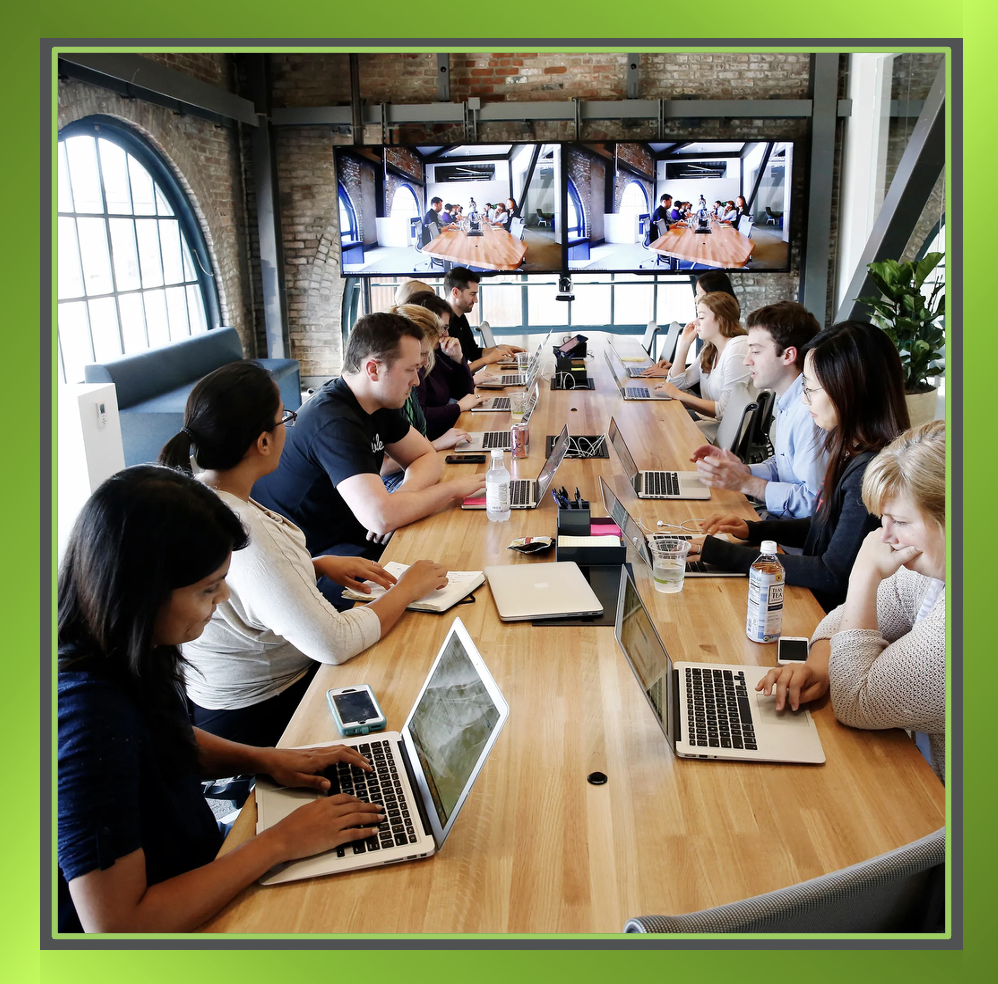
Embracing new workplace trends through teamwork and innovation.
Trends to Leave in 2025:
- Quiet Cracking: This refers to burnout where employees feel trapped and disengaged, leading to potential health issues. It’s crucial to address this by encouraging open communication and support. Organisations should focus on creating a supportive environment where employees feel heard and valued.
- Unnecessary Workplace Perks: Employees prefer meaningful benefits like competitive salaries and career growth over superficial perks like ping pong tables. Employers should invest in perks that genuinely enhance employee well-being, such as flexible working arrangements and wellness programs.
- Dry Promotions: Increasing responsibilities without corresponding salary or title changes can demotivate employees. Transparent career progression is key. Companies should ensure that promotions come with tangible rewards to maintain morale and motivation.
Trends to Watch in 2026:
- Reverse Mentoring: Pairing junior employees with senior colleagues encourages knowledge sharing and innovation, creating a collaborative culture. This approach not only benefits the organisation but also empowers younger employees to contribute meaningfully.
- Human-Centric Hiring: As AI advances, skills like communication and creativity will be highly valued, emphasising the importance of soft skills. Employers will increasingly seek candidates who bring empathy and adaptability to the table, recognising these as essential traits in a tech-driven world.
- Bare Minimum Monday: Starting the week with lighter tasks can boost productivity and morale, helping to ease the transition into the workweek. This trend acknowledges the importance of mental health and aims to reduce stress, ultimately leading to a more engaged and productive workforce.
Looking Ahead:
As we embrace these new trends, it’s important for organisations to remain adaptable and responsive to the evolving needs of their workforce. By prioritising employee well-being and supporting a culture of continuous learning and development, businesses can create a thriving workplace environment.
The focus should be on building a resilient workforce that is equipped to navigate the challenges and opportunities of the modern workplace. As we move forward, let’s leave behind outdated practices and embrace a future that values innovation, inclusivity, and human connection.