What Is Change Management and Why Does It Happen?
Change is part of working life. New systems are introduced, teams are restructured, leadership changes, businesses grow, and priorities shift. While these changes are often made with good intentions, they can still feel unsettling for the people affected by them.
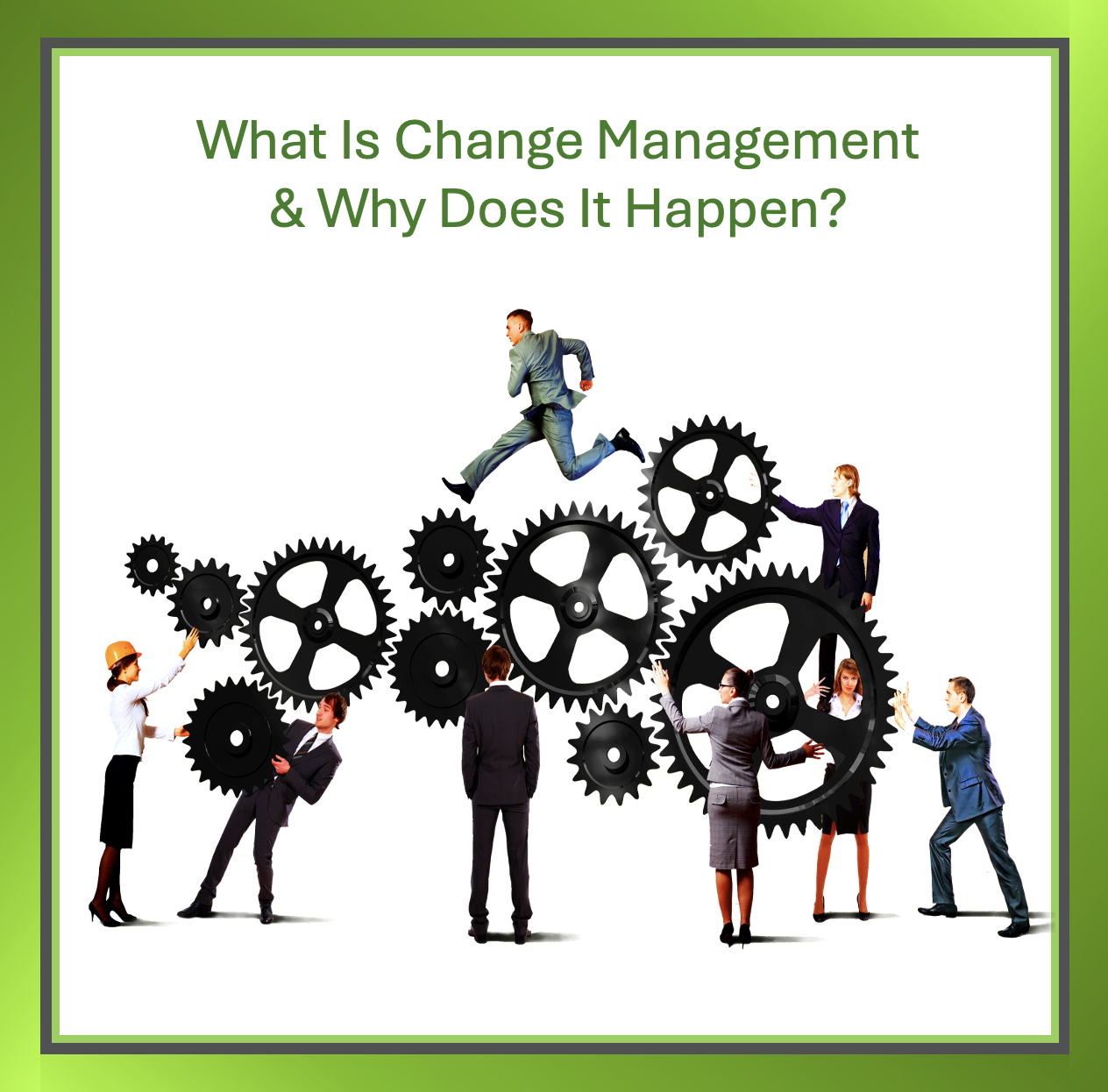
Change management helps organisations support people through new systems, structures and ways of working.
That’s where change management comes in.
At its core, change management is the process of helping people and organisations move from the way things are now to the way they need to be in the future. It is not just about announcing a new strategy or rolling out a new system. It is about making sure change is understood, supported and successfully adopted.
For HR teams, understanding change management is essential. Change may begin with a business decision, but its success often depends on how people experience it.
What is change management?
Change management is a structured approach to planning, communicating and supporting organisational change.
In simple terms, it helps businesses answer questions like:
- What is changing?
- Why is it changing?
- Who will be affected?
- How do we help people adapt?
This could apply to many different situations, such as:
- introducing new HR software
- changing company policies
- restructuring teams
- merging with another business
- moving to hybrid or remote working
- responding to new legal or compliance requirements
- supporting business growth or transformation
Without a clear approach, change can feel sudden, confusing or even threatening. With good change management, people are more likely to understand the reasons behind the change, know what is expected of them, and feel supported throughout the process.
Why does change happen in organisations?
Organisations do not usually change for the sake of it. Change happens because something around the business has shifted, or because the business itself needs to evolve.
Some of the most common reasons include:
- Business growth
As companies grow, the way they work often needs to change too. Processes that worked for a small team may no longer be effective at scale. New roles, systems and structures may be needed to support expansion.
- New technology
Technology changes quickly, and businesses need to keep up. Introducing new tools or software can improve efficiency, reduce manual work and create a better employee experience. But it also means helping people learn new ways of working.
- Market or economic pressures
External pressures such as competition, economic uncertainty or changing customer needs can force businesses to adapt. This might mean cost-saving measures, new priorities or changes to business strategy.
- Legal and compliance requirements
Changes in employment law, health and safety regulations or industry standards often require organisations to update policies, processes and training.
- Mergers, acquisitions or leadership changes
When businesses combine or leadership changes, priorities, structures and cultures often shift too. These moments can create uncertainty if they are not managed carefully.
- Improving culture or ways of working
Sometimes change is driven by the desire to create a better workplace. This could include improving communication, supporting wellbeing, increasing flexibility or creating more inclusive working practices.
Why can change feel difficult for employees?
Even positive change can create uncertainty.
People naturally want to know how change will affect their role, workload, team and future. If they have been through difficult organisational changes before, they may also bring those past experiences with them. That can shape how they respond before the new change has even fully begun.
This is why communication alone is not enough. A well-written announcement may explain the business case, but employees are also thinking:
- What does this mean for me?
- Will my job change?
- Will I still feel valued?
- Is this going to make work harder before it gets better?
- Can I trust that this will be handled well?
These are human responses, and they are exactly why change management matters. It helps organisations recognise that change is not just operational, it is emotional too.
What role does HR play in change management?
HR plays a central role in helping change land well.
Because HR teams are close to employees, they often have the clearest view of how previous changes have been experienced and how current changes are likely to be received. They can spot concerns early, identify pressure points and help leaders communicate with empathy and clarity.
HR’s role in change management may include:
- advising leaders on how change is likely to affect people
- shaping communication plans
- supporting managers with conversations and guidance
- identifying training or development needs
- monitoring employee sentiment and engagement
- helping ensure change is fair, inclusive and compliant
- creating space for feedback and questions
In many organisations, HR acts as the bridge between business strategy and employee experience.
What does good change management look like?
Good change management is proactive, not reactive. It starts before the announcement, not after problems appear.
It often includes:
Clear communication
People need honest, timely information about what is changing, why it is happening and what they can expect next.
Visible leadership
Leaders need to be present, consistent and willing to answer difficult questions. People take cues from how leaders show up during uncertain times.
Manager support
Line managers are often the first people employees turn to. They need the right information and confidence to handle conversations well.
Employee involvement
Where possible, involving employees in the process can build trust and improve outcomes. People are more likely to support change when they feel heard.
Training and practical support
If change requires new systems, behaviours or ways of working, employees need the tools and training to succeed.
Acknowledging impact
Not every change will be easy. Good change management does not pretend otherwise. It makes space to recognise uncertainty, answer concerns and support people realistically.
Why is change management important?
When change is handled well, organisations are more likely to achieve their goals and employees are more likely to stay engaged.
When it is handled badly, the results can include:
- confusion and frustration
- low morale
- resistance to new processes
- loss of trust in leadership
- reduced productivity
- higher employee turnover
In short, change management matters because change is not successful just because it is announced. It is successful when people understand it, adopt it and can work effectively within it.
Final thoughts
Change management is about more than delivering a business update. It is about guiding people through transition in a way that is clear, thoughtful and practical.
For HR professionals, this means looking beyond plans and timelines to understand how change will actually land with employees. Every organisation has a history, and every new initiative is shaped by what people have experienced before.
When businesses understand that change is as much about people as it is about process, they are in a far better position to make it work.
And that is what effective change management is about, helping organisations move forward without leaving their people behind.
If you would like to chat more about Change Management please get in touch.