The Rising Tide of Workplace Sickness Absence
UK businesses are facing a troubling development: sickness absence rates have jumped by 55% since 2019*, according to a recent People HR report. This isn’t a small statistical blip, it represents a substantial challenge for organisations nationwide. Beyond the obvious disruptions to workflow and productivity, rising sick leave often signals something deeper: employees who are struggling and need support.
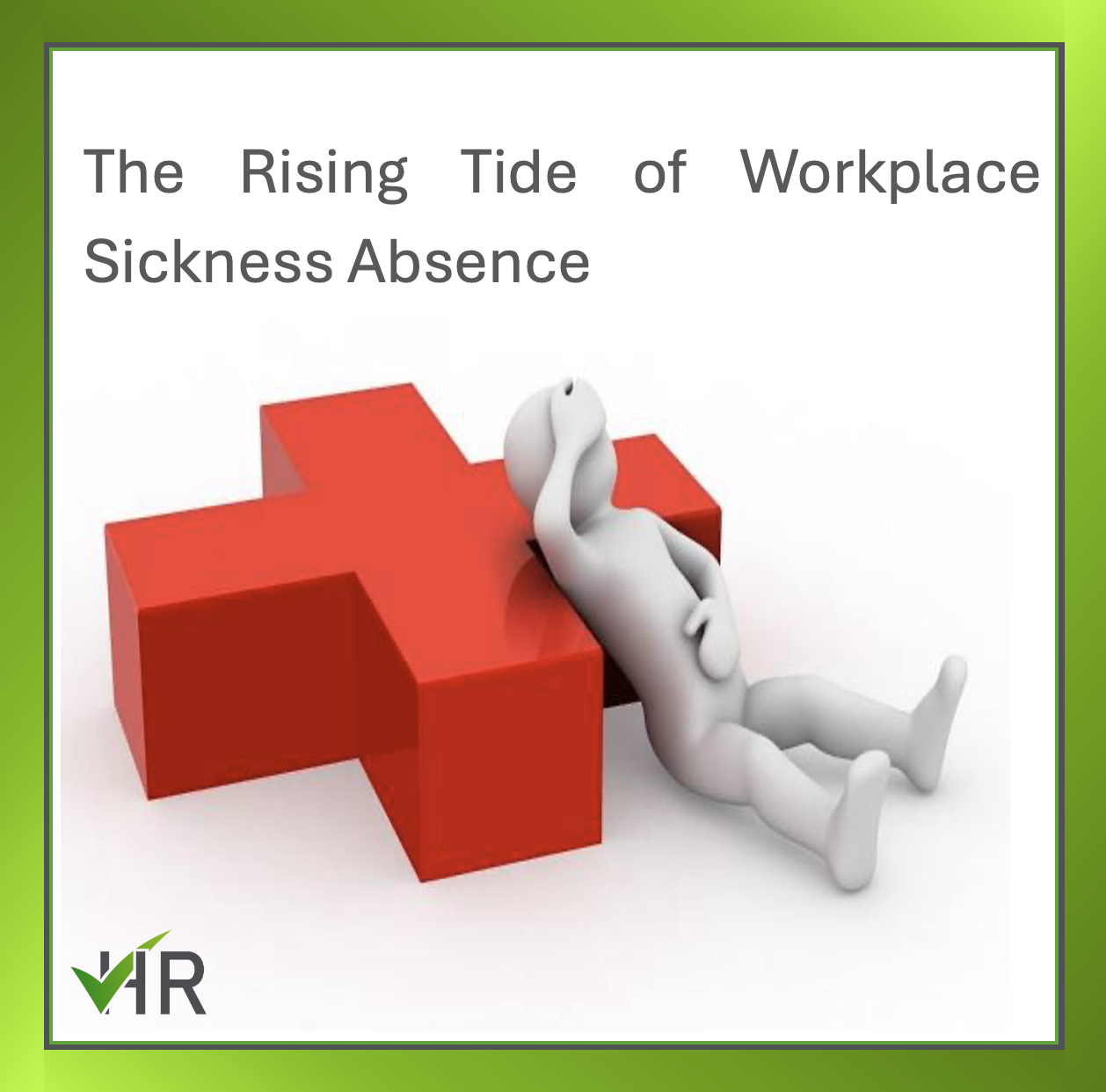
Supporting employee wellbeing helps reduce sickness absence and build a resilient, productive workforce.
What’s driving the increase?
Several factors are fuelling this upward trend. Work-related stress has become widespread, with 79% of UK employees reporting they experience it**. The combination of mounting pressure and heavier workloads is a major contributor to time off work. At the same time, growing awareness around mental health means more employees now feel comfortable taking leave to manage conditions like anxiety, depression, and burnout, rather than pushing through in silence.
How employers can respond proactively
Tackling this trend calls for a deliberate, well-rounded strategy. Employers who prioritise employee wellbeing, addressing both physical and mental health, are better positioned to reduce absence rates. Key approaches include:
Wellbeing programmes: Introducing initiatives like Health Cash Plans, Employee Assistance Programs (EAPs), and stress management workshops gives employees practical tools to manage their health before issues escalate into extended absence.
Flexible sick leave policies: Building more supportive and adaptable sick leave frameworks, including paid sick leave, helps prevent employees from coming into work while unwell. Regularly reviewing absence data also allows employers to spot patterns and intervene early.
Preventative care: Encouraging routine health check-ups and vaccinations can help catch potential health issues before they lead to time off.
Financial protection: Income Protection Insurance offers employees a safety net during longer periods of illness, easing financial stress and supporting a smoother return to work.
The bottom line
The sharp rise in sickness absence should serve as a clear signal to employers. Tackling it effectively means taking a comprehensive view of employee health, one that combines a supportive workplace culture with genuine investment in preventative care. Businesses that get this right won’t just reduce absenteeism; they’ll build a workforce that’s more resilient, engaged, and productive.
Ultimately, investing in employee health isn’t only the right thing to do, it’s a smart business move. The payoff comes in the form of fewer sick days, stronger productivity, and a team that’s genuinely motivated to perform.
Sources * https://www.peoplehr.com/en-gb/resources/blog/sick-leave-report-how-are-different-industries-faring/ ** https://www.hse.gov.uk/statistics/overview.htm**