
Why Workplace Wellbeing Can’t Wait
More than ever, employees are trying to carry on working when they’re unwell physically, mentally, or both. Recent polling suggests 56% of workers have delayed seeking help or medical attention because they didn’t want to take time off work. The same research found that 22% said ignoring symptoms led to needing more urgent medical attention later.
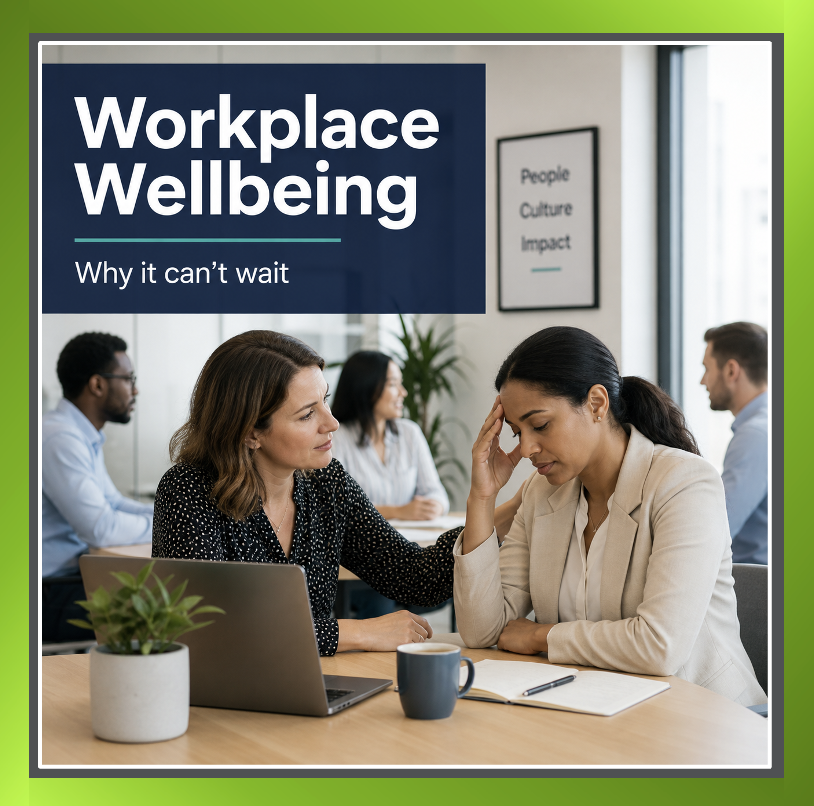
Workplace wellbeing isn’t a perk. It’s part of protecting performance, retention, and your people.
For employers, this matters. Not because people should be “managed” through illness, but because a culture that unintentionally encourages presenteeism (being at work but not well enough to perform properly) can quickly lead to longer absences, reduced productivity, and rising turnover.
What the findings tell us about today’s workplace
The poll also highlighted how common it has become for employees to work when they’re not in a good place:
- 57% continued working when exhausted
- 41% worked through illness rather than take sick leave
- 71% had gone to work while struggling with their mental health
- 33% worried time off for health reasons could affect their career
In practice, that often shows up as people “pushing through” to meet deadlines, keep clients happy, or avoid letting their team down even when rest, support, or treatment would be the smarter option.
Cost of living pressures are adding strain
A significant number of people are also struggling to prioritise their health due to financial pressure:
- 41% said they couldn’t put their wellbeing first because of the cost of living
- 24% had delayed treatment because of cost concerns, worsening the condition
- 44% said financial worries were negatively affecting their mental health
- 20% reported feeling anxious or stressed every day as a result
When people feel they can’t afford time off, or can’t afford to address health problems early, issues tend to become more complex and more disruptive to both the individual and the organisation.
Retention and productivity are part of the picture
Workplace wellbeing isn’t just a “nice to have”. It’s increasingly linked to retention. In the same research, among people employed in the past 12 months:
- 24% said their mental wellbeing was a key factor in leaving a job
- 18% said their physical health was a key factor in leaving
A separate poll of business leaders also showed growing awareness among employers:
- 50% said employees were citing wellbeing as a primary reason for leaving
- 86% agreed that delaying access to healthcare ultimately affected workplace productivity
The real risk: presenteeism turning into long-term absence
Presenteeism can be easy to miss. From the outside, it looks like attendance is good. But the underlying risk is that employees are not recovering, not seeking support, and not getting the adjustments they need to stay well and work effectively.
Over time, that can lead to:
- Longer periods of sickness absence
- Reduced performance and concentration
- Higher workplace conflict or stress-related grievances
- Increased resignation risk (particularly for capable, in-demand employees)
- Higher management time spent firefighting issues that could have been prevented
What employers can do: practical steps that make a difference
You don’t need to have a large HR team or an expensive benefits package to take workplace wellbeing seriously. What matters most is having a clear, consistent approach that employees trust.
Here are practical actions many businesses can start with:
Make it clear that health comes before presenteeism
Employees should know they won’t be penalised for being unwell, seeking help, or taking legitimate sick leave. This needs to be communicated and demonstrated by managers.
Train managers to spot early warning signs
Line managers are often the first to notice changes in behaviour, performance, or attendance. Basic training on mental health awareness, sensitive conversations, and when to escalate concerns can prevent issues escalating.
Review absence and capability processes
A fair process protects both the employee and the business. It also creates structure: when to hold return to work meetings, when to request medical input, and how to explore adjustments.
Ensure policies are clear and up to date
Sickness absence, mental health, flexible working, reasonable adjustments, and disciplinary policies should reflect how you want your business to operate — and comply with UK employment law.
Create a culture where people can speak up early
The earlier an employee raises a concern, the more options the business has. Encouraging early conversations (and handling them well) reduces the likelihood of crisis situations later.
Supporting wellbeing is good HR and good business
The key message from the research is simple: when employees delay support, health issues can worsen. That affects people’s lives and it can also impact performance, attendance, and retention.
Workplace wellbeing isn’t about having perfect solutions. It’s about building a healthy, legally sound framework that supports your team and reduces risk for your business.
If you’d like support reviewing your policies, strengthening absence management, or helping your managers handle wellbeing conversations with confidence, call Tick HR Solutions for more.
Stats from – https://www.personneltoday.com/hr/work-pressures-force-half-of-workers-to-delay-accessing-health-support/