World Menopause Day: a workplace conversation worth having
World Menopause Day is a helpful reminder for employers to talk openly about menopause at work not as a “personal issue” that employees should manage alone, but as a normal life stage that can affect someone’s day-to-day experience at work.
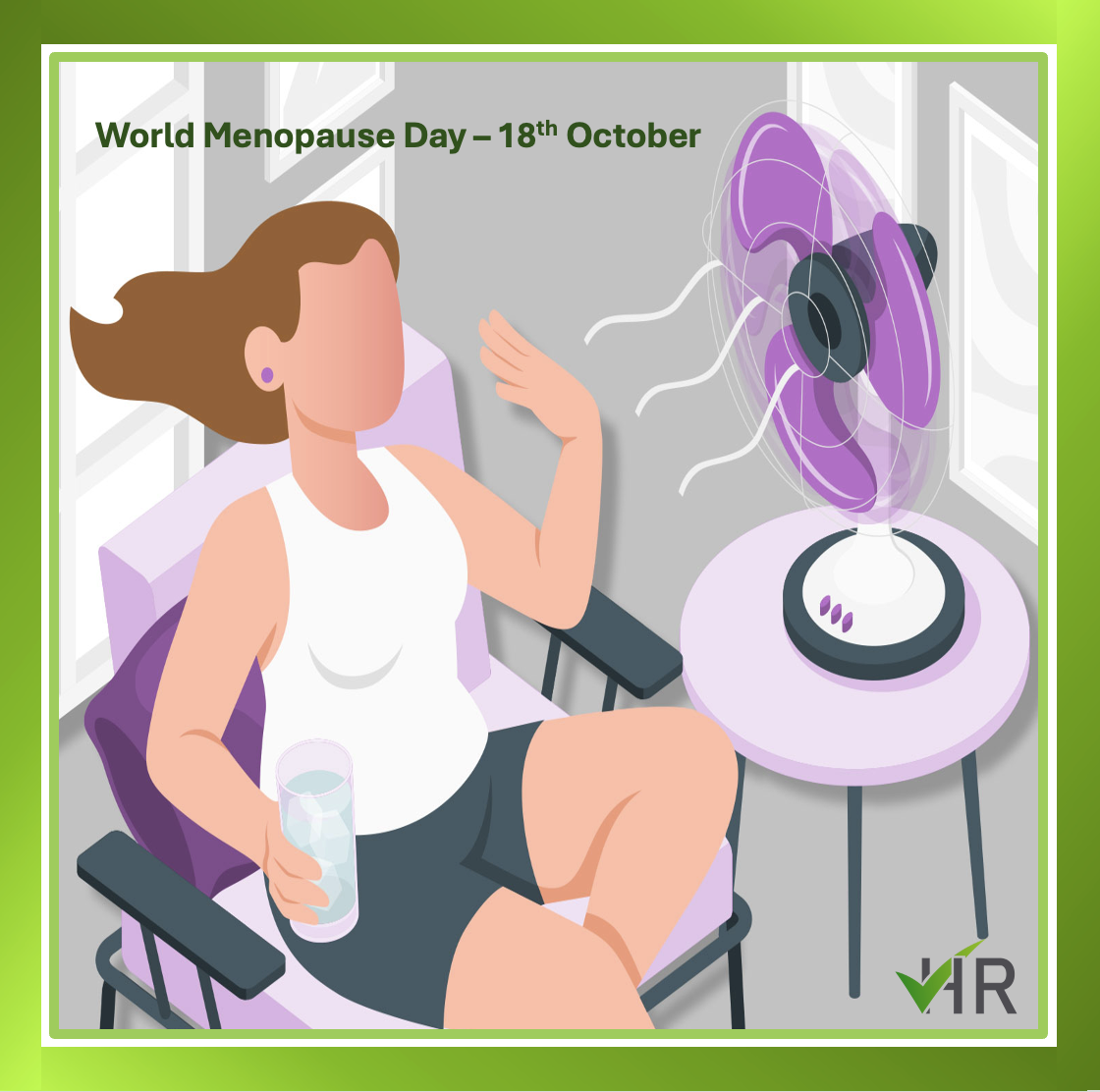
Menopause Day: small workplace adjustments like access to a fan, cooler spaces, and flexible breaks can make a big difference.
Many businesses are improving the way they support employees through menopause and perimenopause. For smaller employers, the goal isn’t to create something complex it’s to create an environment where people feel listened to, supported, and able to perform at their best.
If you’d like guidance on what good, practical menopause support looks like in your workplace, call the Tick HR Solutions team on 01522 448 181.
What is menopause (and why it shows up at work)?
Menopause is a natural stage of ageing. In the years leading up to menopause (perimenopause) and during menopause itself, symptoms can vary widely from person to person. For some, symptoms are mild. For others, they can affect sleep, confidence, concentration, energy levels and comfort, all of which can have a knock-on impact at work.
Commonly reported symptoms may include:
- hot flushes and night sweats
- sleep disruption and fatigue
- mood changes, anxiety, or irritability
- headaches or migraines
- brain fog, reduced concentration, and memory lapses
- dizziness, palpitations, or breathlessness
- heavier or irregular periods (often during perimenopause)
The key point for employers: you don’t need to know every detail but you do need a reasonable, consistent way to respond when an employee says they’re struggling.
For support putting the right approach in place, call Tick HR Solutions on 01522 448 181.
Menopause and the law: what employers need to be aware of
Menopause is not a specific protected characteristic in its own right. However, workplace issues linked to menopause symptoms can overlap with existing legal duties and risks particularly where someone is treated unfairly, their health is affected at work, or adjustments are not considered.
A sensible HR approach is to focus on:
- respectful, non-judgemental conversations
- fair and consistent absence management
- practical workplace adjustments
- manager confidence and clear signposting
If you’re unsure how to handle a specific situation or what your policies should say, Tick HR Solutions can help contact us here
What employees can do (and how managers can help)
If an employee’s symptoms are affecting work, encourage them to speak to their line manager (or another appropriate person if that feels easier). It can help if the employee:
- notes down symptoms and when they’re most difficult
- thinks about what might improve things at work
- brings ideas to the conversation (while knowing they don’t have to have all the answers)
For managers, the best starting point is simple: listen, avoid assumptions, agree next steps, and check in again.
Practical ways employers can support menopause at work
You don’t need a large budget to make a meaningful difference. Consider:
- Flexible working options (temporary or ongoing changes to start/finish times, breaks, or hybrid arrangements)
- Workplace adjustments (fans, access to cooler areas, seating changes, uniform flexibility where possible)
- Supportive absence management (a sensible approach to appointments, flare-ups, and short-term absence)
- Manager guidance (so conversations are handled professionally and consistently)
- Clear signposting (who to speak to, what support is available, and how requests are handled)
A menopause policy can also help by setting expectations, reducing awkwardness, and giving managers confidence to respond consistently.
If you’d like Tick HR to help you create a menopause policy or update your existing policies in a practical, SME-friendly way, call 01522 448 181.