Promoting Neurodiversity in the Workplace: Supporting Employees’ Unique Strengths
Creating an inclusive workplace isn’t just about policies, it’s about making sure people can do their best work in a way that works for them. For SME owners, supporting neurodiversity can be a real advantage: it helps you retain great people, reduce stress in the workplace, and unlock strengths like creativity, problem-solving, and attention to detail.
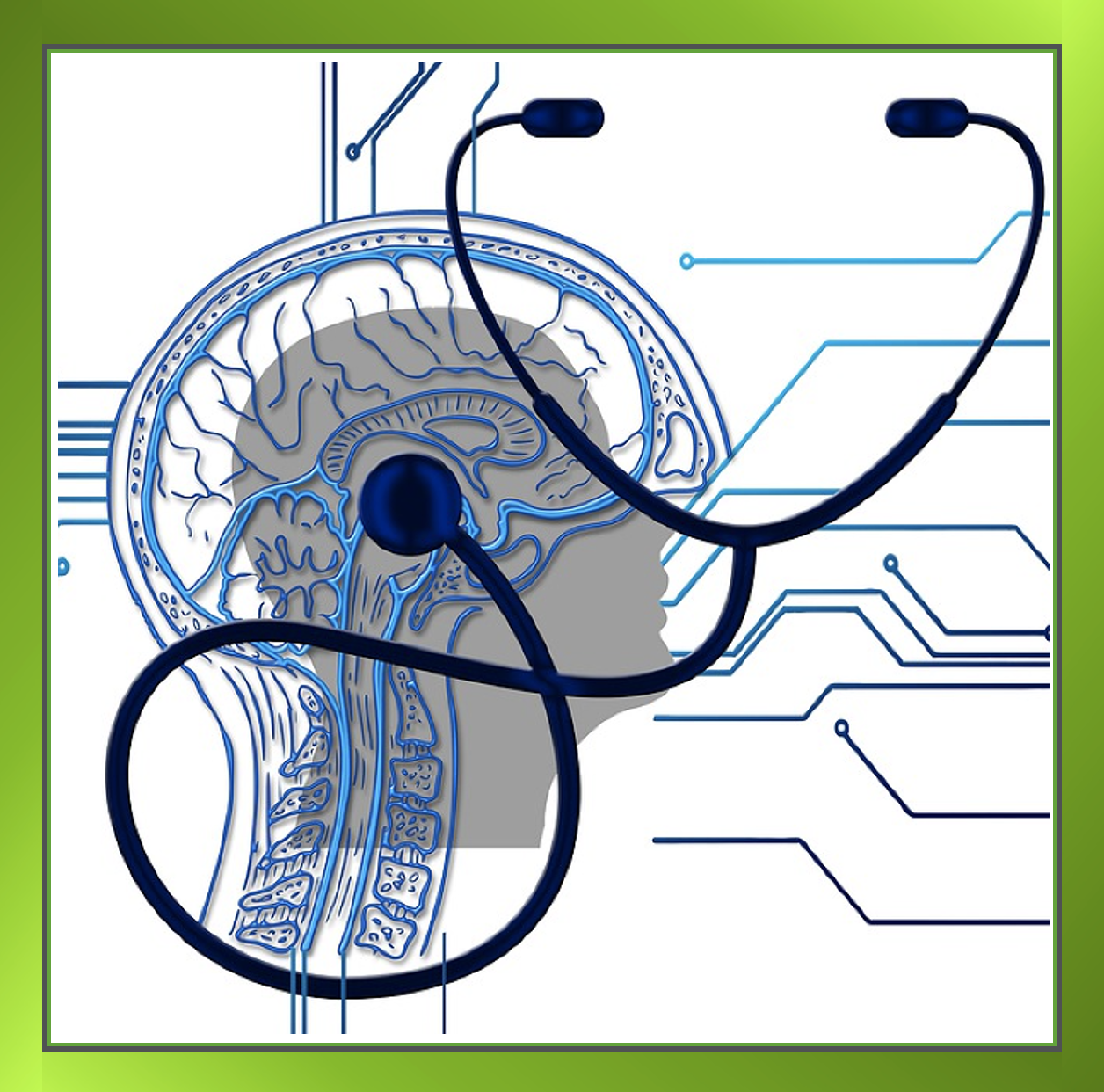
Inclusion starts with understanding how different minds work and creating space for people to thrive.
Neurodiversity describes the natural differences in how people’s brains work. This includes (but isn’t limited to) autism, ADHD, dyslexia, dyspraxia, and other neurological differences. With the right understanding and support, neurodiverse employees can thrive and so can your business.
1) Raise awareness (without making it awkward)
A great starting point is improving confidence and understanding across the team. Many people want to be supportive, but worry about saying the wrong thing.
Consider:
- Short awareness sessions for managers and team leaders
- Practical training focused on strengths, common challenges, and good communication habits
- Simple guidance on respectful language and confidentiality
The goal is a culture where differences are understood, not judged.
2) Build flexibility into how work gets done
Flexibility can make a big difference and it doesn’t always mean major change. Some neurodiverse employees may find certain environments challenging (noise, lighting, interruptions, last-minute changes), while others may work best with predictable routines.
Helpful options might include:
- Flexible start/finish times
- Hybrid or homeworking (where possible)
- Quiet spaces for focused tasks
- Planning ahead for change, rather than “surprises on the day”
Small adjustments can remove unnecessary barriers and help performance improve quickly.
3) Offer reasonable adjustments early
Support works best when it’s proactive. Reasonable adjustments (sometimes called workplace accommodations) can range from simple tweaks to how tasks are managed, through to assistive technology.
Examples include:
- Noise-cancelling headphones or desk location changes
- Adjusted lighting or reduced visual clutter
- Speech-to-text or text-to-speech tools
- Breaking large tasks into clear steps and deadlines
- Allowing extra processing time before expecting a response
The key is regular, respectful conversation. Ask what helps, agree what will be put in place, and review how it’s working.
4) Communicate clearly and consistently
Clear communication benefits everyone, but it can be especially important for neurodiverse employees.
To make expectations easier to follow:
- Use written follow-ups after verbal instructions
- Keep goals and deadlines specific (“by Thursday 3pm” rather than “end of week”)
- Provide structure for meetings (agenda in advance, actions afterwards)
- Give feedback that’s kind, direct, and focused on outcomes
Consistency reduces anxiety and avoids misunderstandings building into bigger issues.
5) Offer mentoring and coaching support
A good mentoring relationship can help neurodiverse employees navigate workplace culture, prioritise tasks, and build confidence especially in fast-moving SME environments where people often wear multiple hats.
This could look like:
- A named “go-to” person for questions
- A regular check-in with a manager focused on workload and clarity
- Coaching on planning, communication, or confidence where appropriate
Support doesn’t need to be formal or time-consuming, it just needs to be dependable.
Final thought: inclusion is practical, not perfect
You don’t need to be an expert to build a neuroinclusive workplace. What matters most is willingness: listening, making reasonable changes, and creating a culture where people feel safe to do their best work.
If you’d like help putting the right approach in place from manager guidance and HR policies through to practical support with adjustments and conversations, call our team on 01522 448 181.
We’re here to help you get it right, with clarity and confidence.