
Why saying “no” can be one of the best HR decisions you make (and a better business one, too)
In small and growing businesses, the pressure to say “yes” is constant. Yes to the extra project. Yes to a “quick” favour. Yes to bending a policy “just this once”. Yes to taking on work that really needs another pair of hands.
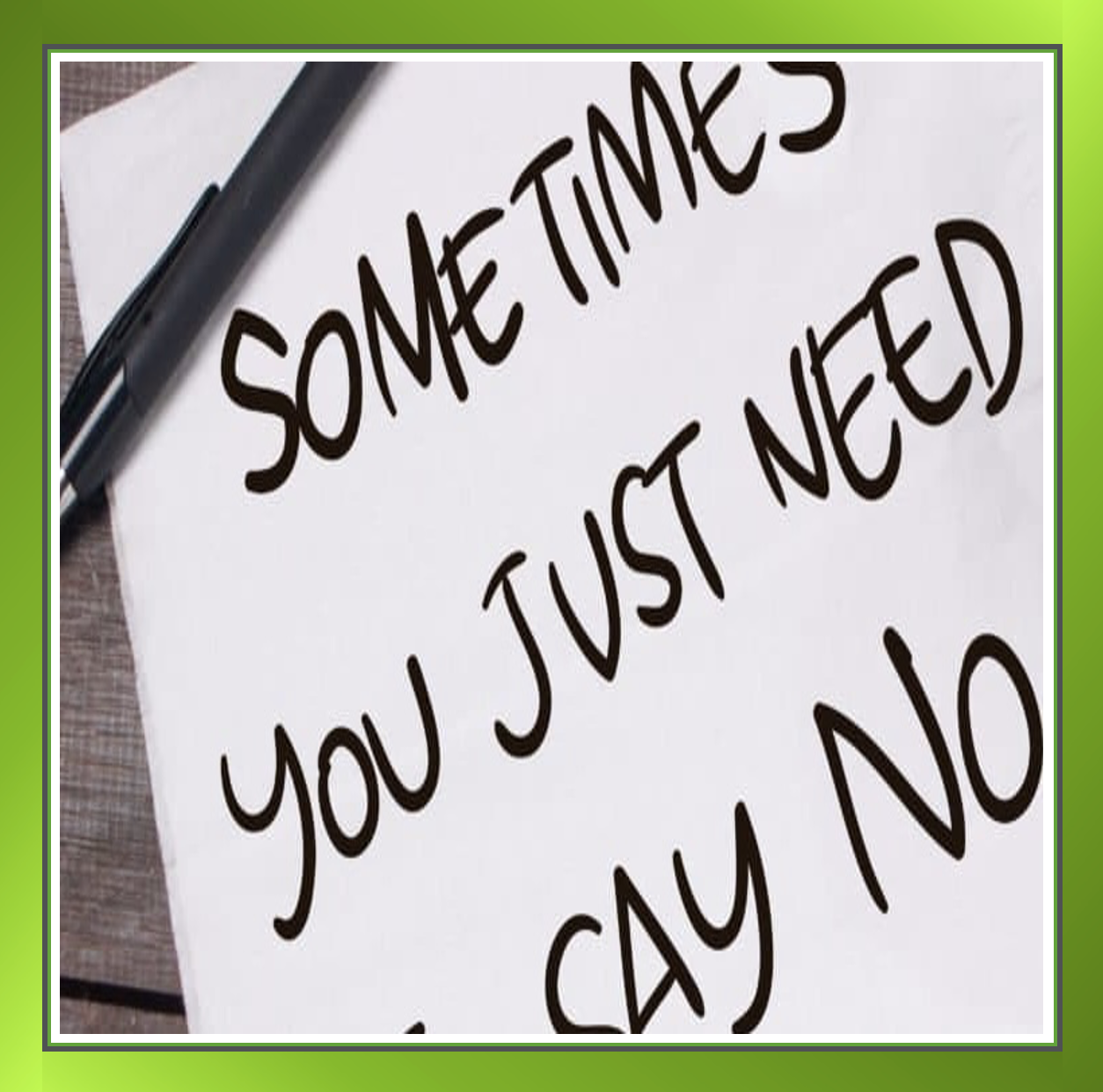
Why saying “no” can be one of the best HR decisions
But over time, too many yeses don’t make you helpful, they make you stretched, inconsistent, and at risk.
The hidden cost of always saying yes
A well-timed, well-worded “no” helps you protect focus and deliver what matters most.
It keeps your priorities aligned to your strategy, not to whoever shouts loudest that week. It reduces overload, which is often the hidden driver behind mistakes, absence, and burnout. It also makes your value clearer, because you’re choosing work that sits in your strengths instead of firefighting across everything.
Why “no” matters for fairness and boundaries
From an HR perspective, “no” is also how you build healthy boundaries and fairness. If you keep making exceptions, you end up with confusion (“Why did they get that?”) and friction (“This feels unfair.”). Clear, consistent decisions are kinder in the long run for leaders and for teams.
Saying “no” doesn’t mean closing the door
And “no” doesn’t have to shut a conversation down. It can open a better one. “We can’t do that by Friday, but we can do it by next Tuesday.” “We can’t change the policy, but we can look at a reasonable adjustment.” “We can’t add that to scope, but we can price it properly.”
A simple framework for saying no well
A simple framework we use is: be clear, be brief, and offer the next best option. Thank the person, state the decision, share a short reason if helpful, then propose an alternative route.
If saying “no” feels uncomfortable, start small and practice the language before you need it. Your time, energy, and standards are business assets worth protecting.
What’s one “no” you wish you’d said earlier in your business and what would it have changed?