
The Hawthorne Effect and Its Relationship with HR
The Hawthorne Effect is a workplace psychology concept that explains how people may change their behaviour when they know they are being observed. In simple terms, employees often perform differently and sometimes better when they feel that management, HR, or colleagues are paying attention to their work.
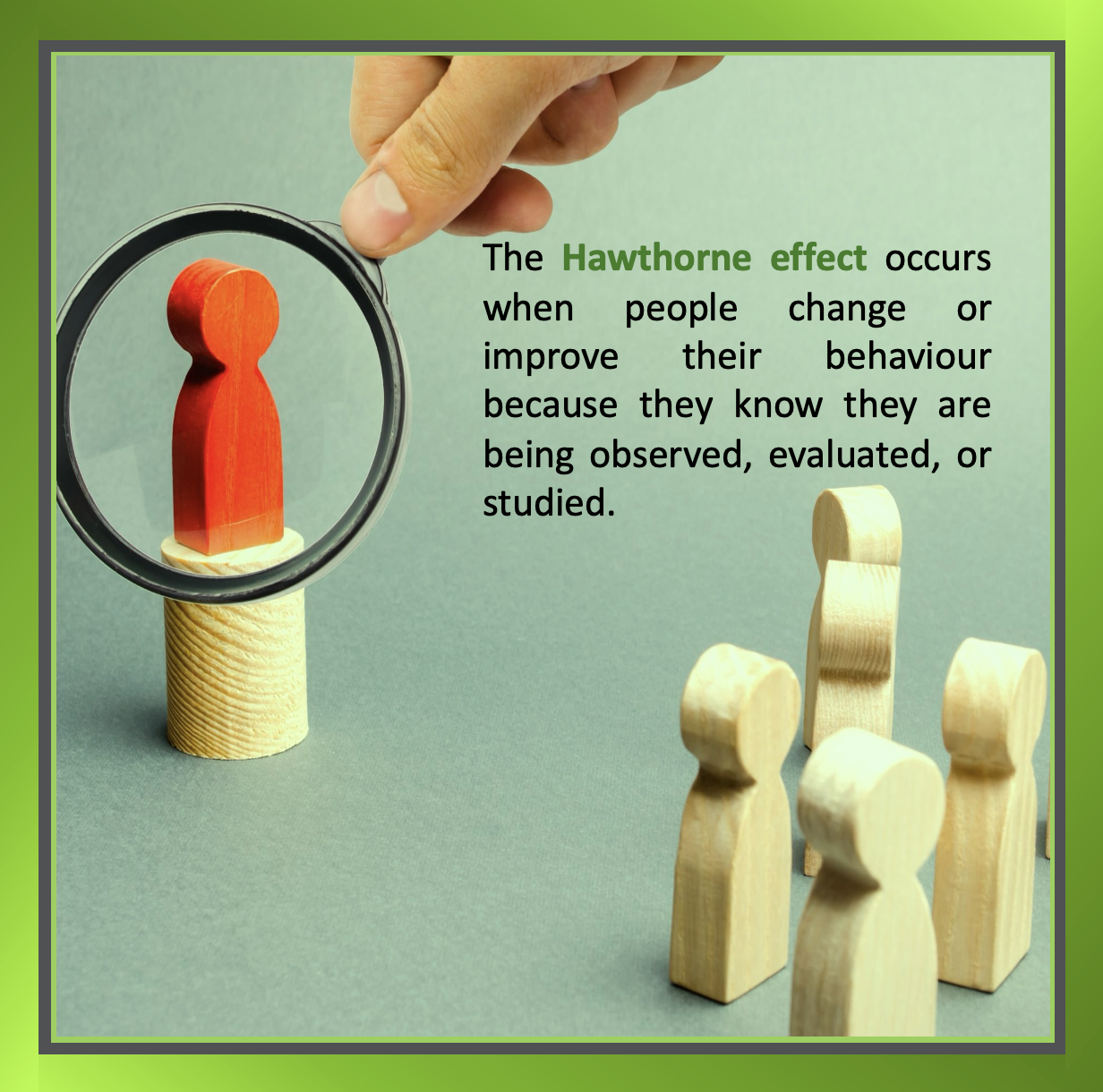
Observation can influence employee behaviour, performance and engagement in the workplace.
The term comes from workplace studies carried out at the Hawthorne Works factory in the United States. Researchers found that employee productivity improved when workers knew they were part of a study. This suggested that attention, recognition, and observation can influence how people behave at work.
For HR professionals, the Hawthorne Effect is highly relevant because it connects directly to employee performance, engagement, motivation, communication, and workplace culture.
Why the Hawthorne Effect Matters in HR
Human Resources is not only about policies, recruitment, and compliance. HR also plays a key role in understanding what motivates employees and how workplace environments affect behaviour.
The Hawthorne Effect shows that employees are influenced by the level of attention they receive. When employees feel noticed, valued, and supported, they are more likely to be engaged and productive.
This makes the Hawthorne Effect important for areas such as:
- Employee engagement
- Performance management
- Workplace observation
- Leadership behaviour
- Staff motivation
- HR surveys and feedback
- Training and development
- Organisational culture
At Tick HR Solutions, understanding workplace behaviour is essential to helping businesses build more effective and people-focused HR strategies.
The Link Between the Hawthorne Effect and Employee Performance
One of the strongest connections between the Hawthorne Effect and HR is employee performance.
When employees know their work is being reviewed or monitored, they may increase their effort, become more focused, or follow procedures more carefully. This can be useful in performance management, especially when HR teams are introducing new processes, training programmes, or productivity improvements.
However, HR professionals should be careful. If employees only perform well because they feel watched, the improvement may not last. Sustainable performance comes from creating a workplace where employees feel genuinely motivated, supported, and trusted.
The goal should not be constant monitoring. Instead, HR should focus on building a culture where employees want to perform well because they feel valued and connected to the organisation’s goals.
How the Hawthorne Effect Impacts Employee Engagement
Employee engagement is one of the most important areas of HR. Engaged employees are more likely to be productive, loyal, and committed to their work.
The Hawthorne Effect suggests that attention itself can improve engagement. When managers check in with employees, ask for feedback, recognise good work, and show interest in employee wellbeing, staff often feel more valued.
This does not mean HR should create artificial observation. Instead, it means businesses should create regular and meaningful communication between employees and management.
Examples include:
- Regular one-to-one meetings
- Employee feedback surveys
- Recognition programmes
- Team check-ins
- Performance conversations
- Wellbeing discussions
- Career development planning
When employees feel that their voice matters, they are more likely to participate positively in the workplace.
The Hawthorne Effect in Performance Reviews
Performance reviews can also be influenced by the Hawthorne Effect.
Before a review period, employees may become more aware of their behaviour and productivity because they know they are being evaluated. This can lead to temporary improvements in performance.
For HR teams, this is important because performance reviews should not rely only on short-term behaviour. A fair performance management process should consider consistent performance over time.
To reduce the risk of inaccurate evaluations, HR should encourage:
- Ongoing feedback instead of one annual review
- Clear performance goals
- Objective measurement criteria
- Manager training
- Employee self-assessments
- Regular documentation of progress
This helps businesses avoid judging employees based only on behaviour that changes during review periods.
The Hawthorne Effect and Workplace Monitoring
Many companies use workplace monitoring tools, productivity tracking systems, or performance dashboards. These tools can provide useful data, but they can also trigger the Hawthorne Effect.
If employees know they are being monitored, they may change how they work. In some cases, this can improve productivity. In other cases, it can create stress, reduce trust, or make employees focus more on appearing productive than doing meaningful work.
HR has an important role in ensuring that monitoring is fair, transparent, and ethical.
Good HR practice includes:
- Explaining why monitoring is being used
- Being transparent about what data is collected
- Avoiding excessive surveillance
- Protecting employee privacy
- Using data to support employees, not punish them unfairly
- Combining data with human judgment
The best approach is to use monitoring as a tool for improvement, not as a method of control.
How HR Can Use the Hawthorne Effect Positively
The Hawthorne Effect can be valuable when used correctly. HR teams can use it to create positive workplace change by increasing meaningful attention and support.
Here are some practical ways HR can apply the Hawthorne Effect:
- Improve Manager-Employee Communication
Employees often perform better when they have regular contact with their managers. Simple conversations can help employees feel seen and supported.
- Recognise Employee Contributions
Recognition is a powerful motivator. When employees know their efforts are noticed, they are more likely to stay engaged.
- Encourage Feedback
Asking employees for feedback shows that the organisation values their opinions. This can improve trust and participation.
- Support Learning and Development
Employees who receive attention through coaching, mentoring, and training often feel more motivated to grow.
- Create a Culture of Trust
Observation should never feel like surveillance. HR should help create a culture where attention feels supportive rather than controlling.
Risks of Misusing the Hawthorne Effect
Although the Hawthorne Effect can have positive outcomes, it can also create problems if misunderstood.
Potential risks include:
- Employees feeling watched or pressured
- Short-term improvements that do not last
- Reduced trust between employees and management
- Stress caused by excessive monitoring
- Employees focusing on looking busy rather than being productive
- Inaccurate performance data
This is why HR teams need to balance observation with empathy, fairness, and transparency.
Why Businesses Should Understand the Hawthorne Effect
For business owners, managers, and HR professionals, the Hawthorne Effect is a reminder that people respond to attention. Employees are not only motivated by salary or job titles. They are also influenced by recognition, communication, leadership, and workplace culture.
Understanding this effect can help businesses:
- Improve employee engagement
- Build stronger management practices
- Create fairer performance reviews
- Increase productivity
- Improve employee wellbeing
- Strengthen workplace relationship
- Develop a healthier organisational culture
When used correctly, the Hawthorne Effect can help organisations create a more positive and productive working environment.
How Tick HR Solutions Can Help
At Tick HR Solutions, we help businesses understand and improve the people side of work. From employee engagement and performance management to HR policies and workplace culture, we support organisations in building better HR practices.
Understanding concepts like the Hawthorne Effect allows businesses to make smarter decisions about how they manage, motivate, and support their employees.
If your organisation wants to improve employee performance, strengthen engagement, or create a more effective HR strategy, Tick HR Solutions can help.
Final Thoughts
The Hawthorne Effect shows that attention matters in the workplace. When employees feel observed, valued, and supported, their behaviour and performance can change.
For HR professionals, this effect is a useful reminder that people management is about more than systems and policies. It is about creating a workplace where employees feel recognised, respected, and motivated to do their best.