SSP reform set to be the biggest workplace impact under the Employment Rights Act
Changes to Statutory Sick Pay (SSP) are expected to have the most significant day-to-day impact on UK workplaces of all the upcoming reforms within the Employment Rights Act package.
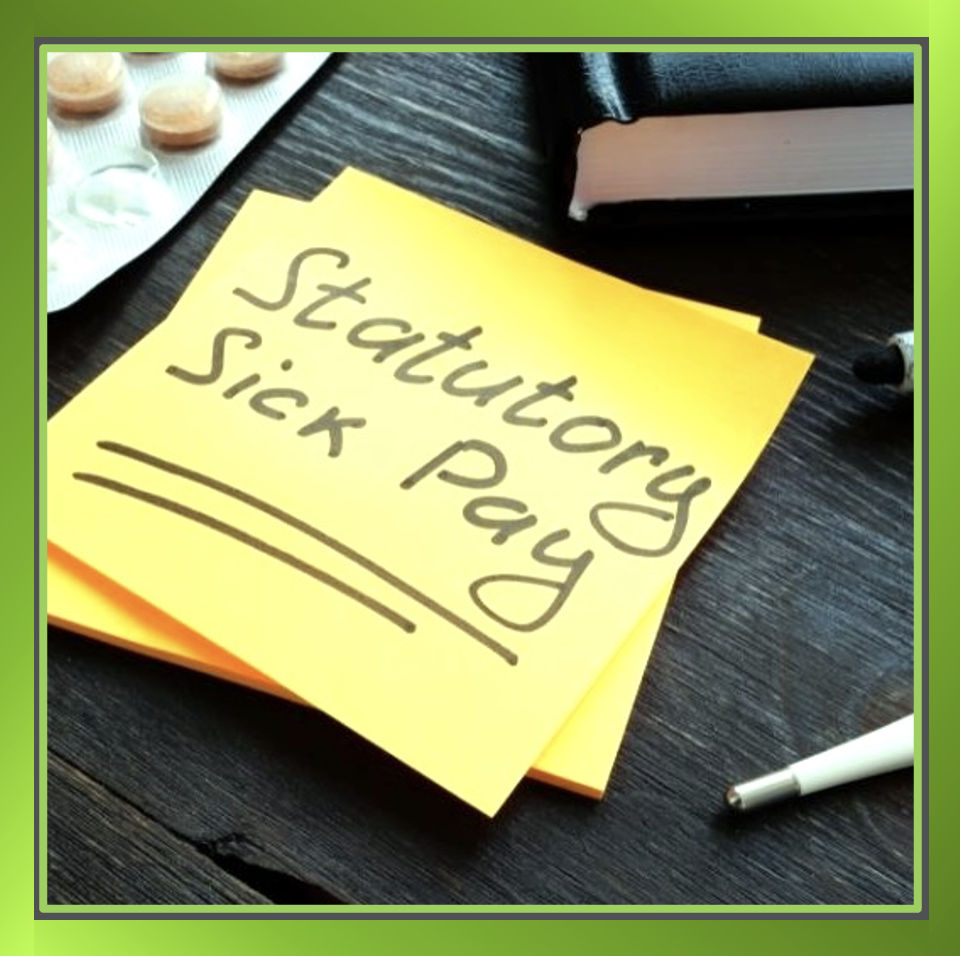
A reminder that statutory sick pay rules are changing
An Acas poll of more than 2,000 senior leaders and employees found day-one sick pay was the single biggest anticipated change, with 43% of employers and 36% of workers saying it would have the greatest workplace impact.
Day-one SSP: what’s changing?
At present, employees only qualify for SSP from the fourth consecutive day of sickness absence.
From 6 April 2026, that waiting period is due to be removed, meaning SSP will be payable from the first day of absence.
HR commentators have noted that moving SSP to day one may influence absence behaviour, particularly for “borderline” cases where employees might otherwise have attended work.
Unfair dismissal, qualifying period set to reduce
The second most-cited reform in the Acas polling relates to unfair dismissal, with 31% of employers and 30% of workers identifying it as the change most likely to affect workplaces.
From January 2027, employees are expected to be able to bring an unfair dismissal claim after six months’ service, rather than the current two-year qualifying period.
Acas chief executive Niall Mackenzie described the reforms as the “biggest shake-up to employment law in a generation,” with SSP and unfair dismissal protections front of mind for both employers and employees.
A phased timeline for reform (key dates)
- 6 April 2026 Day-one SSP – SSP payable from the first day of absence (no waiting days).
- 6 April 2026 Day-one paternity leave eligibility – Removes the current 26-week service requirement.
- 2026 (expected / under consultation) Flexible working – measures Further changes anticipated; details subject to consultation outcomes.
- January 2027 Unfair dismissal qualifying period reduced – Claims possible after 6 months’ service (down from 2 years).
What Tick HR recommends employers do now
Employment law specialists are advising organisations to prepare early, particularly around sickness absence so costs and disruption are controlled.
Practical steps:
- Stress-test sickness absence processes (reporting, certification, triggers, return-to-work routines).
- Train managers for consistent handling of short-term absence, phased returns, and difficult attendance conversations.
- Track absence hotspots (teams, roles, patterns) to identify where interventions or adjustments are needed.
- Update policies to reflect the new framework, including:
- sickness absence and sick pay procedures
- flexible working
- harassment and related people policies
- Review dismissal risk ahead of the unfair dismissal change (e.g., probation design, documentation, performance management).
If you feel you need more information, please call our team on 01522 448 181